
Bare Metal Cloud vs Dedicated Servers: Performance, Cost & ROI Comparison
Benchmarking raw throughput, hypervisor overhead, provisioning speed, and infrastructure TCO for high-load systems and machine learning workloads.
Quick Table of Contents
- • Defining Modern Infrastructure Architectures
- • Hardware Benchmarks: CPU Jitter, Memory Bus, and NVMe Latency
- • Provisioning Velocity: API Automation vs Manual Staging
- • Total Cost of Ownership (TCO) Model Over 36 Months
- • When to Choose Bare Metal Cloud vs Fixed Dedicated Servers
- • Frequently Asked Questions
Defining Modern Infrastructure Architectures
Traditional dedicated servers involve leasing a physical machine housed in a provider's data center rack. Deployment typically involves manual staging, operating system installation via remote KVM, and long-term commitments (12 to 36-month contracts). Billing is fixed on a flat monthly basis.
Bare Metal Cloud, pioneered by providers like Equinix Metal and Vultr Bare Metal, combines physical single-tenant hardware with the elastic operational speed of modern cloud platforms. You provision physical Intel Xeon or AMD EPYC servers via automated REST APIs, Terraform providers, or Kubernetes Cluster API drivers in under five minutes, with billing calculated down to the hourly or per-second increment.
| Evaluation Metric | Bare Metal Cloud | Traditional Dedicated Servers | Hyperscale Public Cloud VM |
|---|---|---|---|
| Provisioning Time | 2 to 10 Minutes (Automated API) | 4 to 72 Hours (Manual Setup) | 30 to 60 Seconds |
| Hypervisor Penalty | 0% (Direct Hardware Access) | 0% (Direct Hardware Access) | 5% to 18% CPU/IOPS Penalty |
| Contract Flexibility | Hourly / Pay-as-you-go | Monthly to 3-Year Fixed Leases | On-demand / Reserved |
| Network Interconnect | 10Gbps - 100Gbps Bonded Fabrics | 1Gbps - 10Gbps Uplinks | Throttled by Instance Size |
| Cost per Compute Unit | Moderate ($0.80 - $3.50/hr) | Lowest ($150 - $600/month) | Highest ($1.80 - $8.00/hr) |
Hardware Benchmarks: CPU Jitter, Memory Bus, and NVMe Latency
Removing the hypervisor unlocks dramatic performance advantages for data-intensive applications:
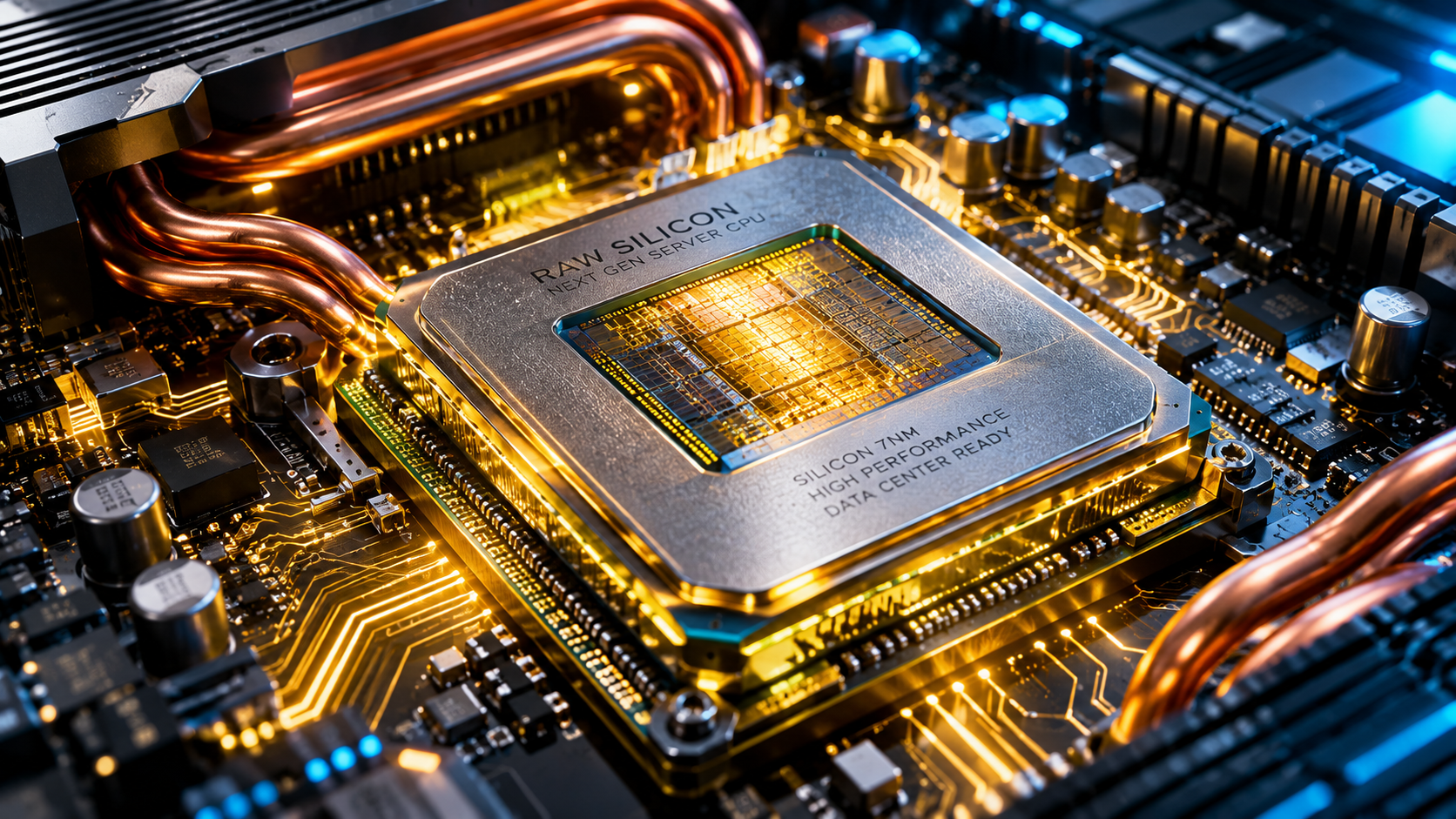
- Elimination of CPU Steal Time: In multi-tenant environments, hypervisor scheduler contention introduces CPU steal time and erratic p99 response spikes. Bare metal executes execution cycles directly on bare silicon.
- Sub-Microsecond Memory Latency: Direct access to multi-channel DDR5 memory buses without page-table translation overhead delivers up to 25% higher throughput for in-memory databases like Redis and Aerospike.
- Raw NVMe Storage Bandwidth: High-performance PCIe Gen5 storage arrays hit over 1,500,000 random read IOPS without synthetic virtual disk throttling. Ensure your deployments are protected through enterprise dedicated server security protocols.
Total Cost of Ownership (TCO) Model Over 36 Months
When modeling your 3-year infrastructure budget, calculate the intersection between workload elasticity and predictable base capacity:
- Static Workloads: Core database shards, primary application backends, and persistent storage arrays generate massive cost savings on fixed 24-month dedicated leases.
- Burst Capacity: Utilize Bare Metal Cloud via Terraform scripts to spin up auxiliary compute nodes during regional traffic spikes, terminating them once load subsides.
- Enterprise Compliance & Security: Protect distributed server infrastructure using enterprise-grade Data Loss Prevention systems and insulate your corporate balance sheet with cyber risk insurance.
Frequently Asked Questions
Does Bare Metal Cloud support automated DevOps tooling like Kubernetes?
Yes, modern bare metal cloud platforms provide full integration with Terraform, Ansible, and Kubernetes Cluster API, enabling automated container orchestration directly on physical nodes.
Can I install my own custom hypervisor on a bare metal server?
Absolutely. Because you have complete root-level control over the physical BIOS and CPU flags (VT-x / AMD-V), you can deploy Proxmox, VMware ESXi, or KVM to create your own private virtualized cloud.
How does bandwidth billing differ between Bare Metal and AWS?
AWS charges between $0.05 and $0.09 per GB of outbound data. Bare metal providers typically include 10TB to 100TB of free unmetered monthly egress bandwidth per server, resulting in enormous savings for streaming, gaming, and CDN applications.
FinTech Editorial & Analysis Team
Our specialized research desk at fintech.lsambad.com covers high-risk payment acquiring, commercial liability underwriting, cross-border banking, and dedicated bare-metal infrastructure.